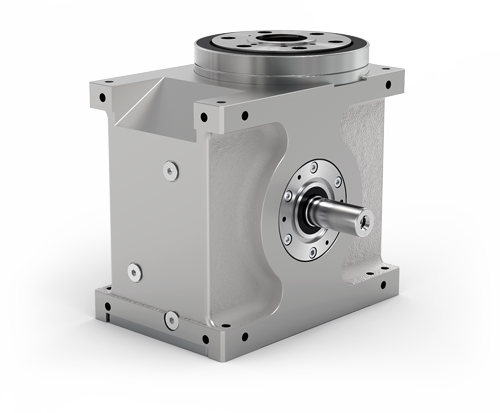
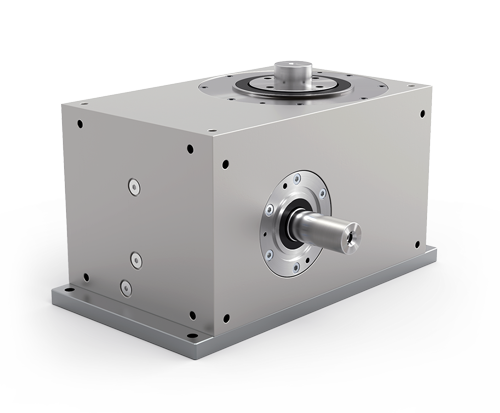
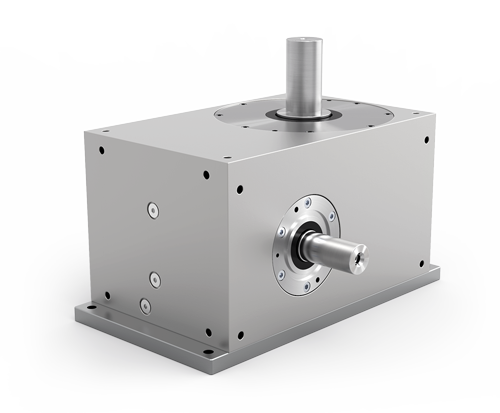
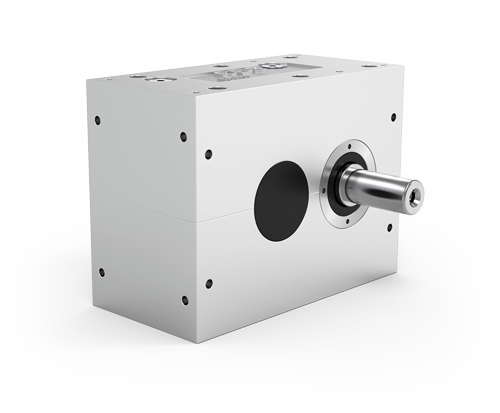
Mechanical oscillator indexers are cam units designed to transform a continuous rotary input into a precise, controlled oscillating output. Thanks to optimised cam profiles, they offer high adaptability to production requirements and ensure accurate, repeatable angular motion.
Engineered for high performance and flexibility, CDS oscillator indexers are the ideal solution for applications that involve constant high-speed reversals of motion (over 1,000 RPM) in process machines, without reversing the input direction of rotation. Typical uses include printing, converting, packaging and other continuous processes that require precise back-and-forth movements.
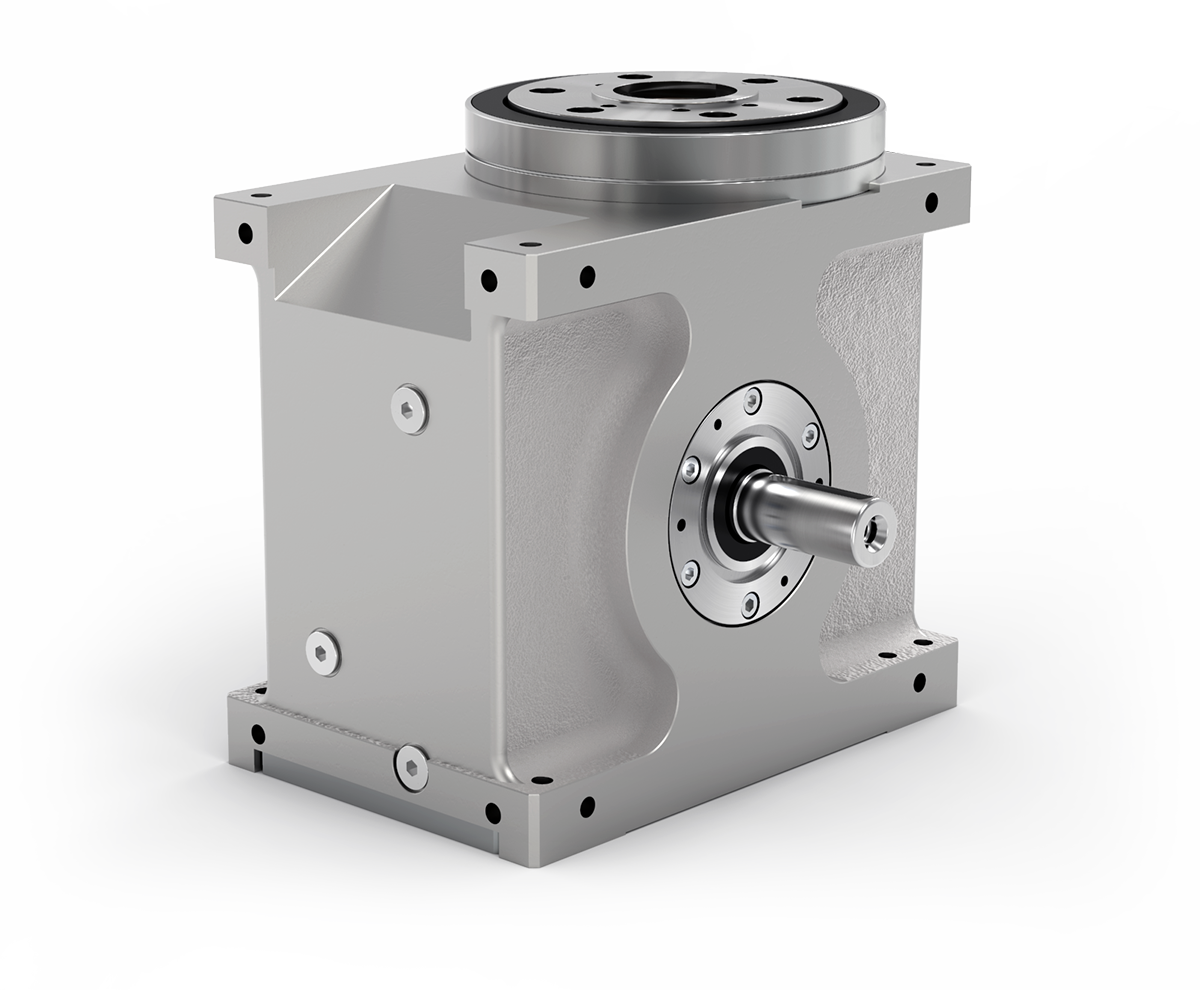
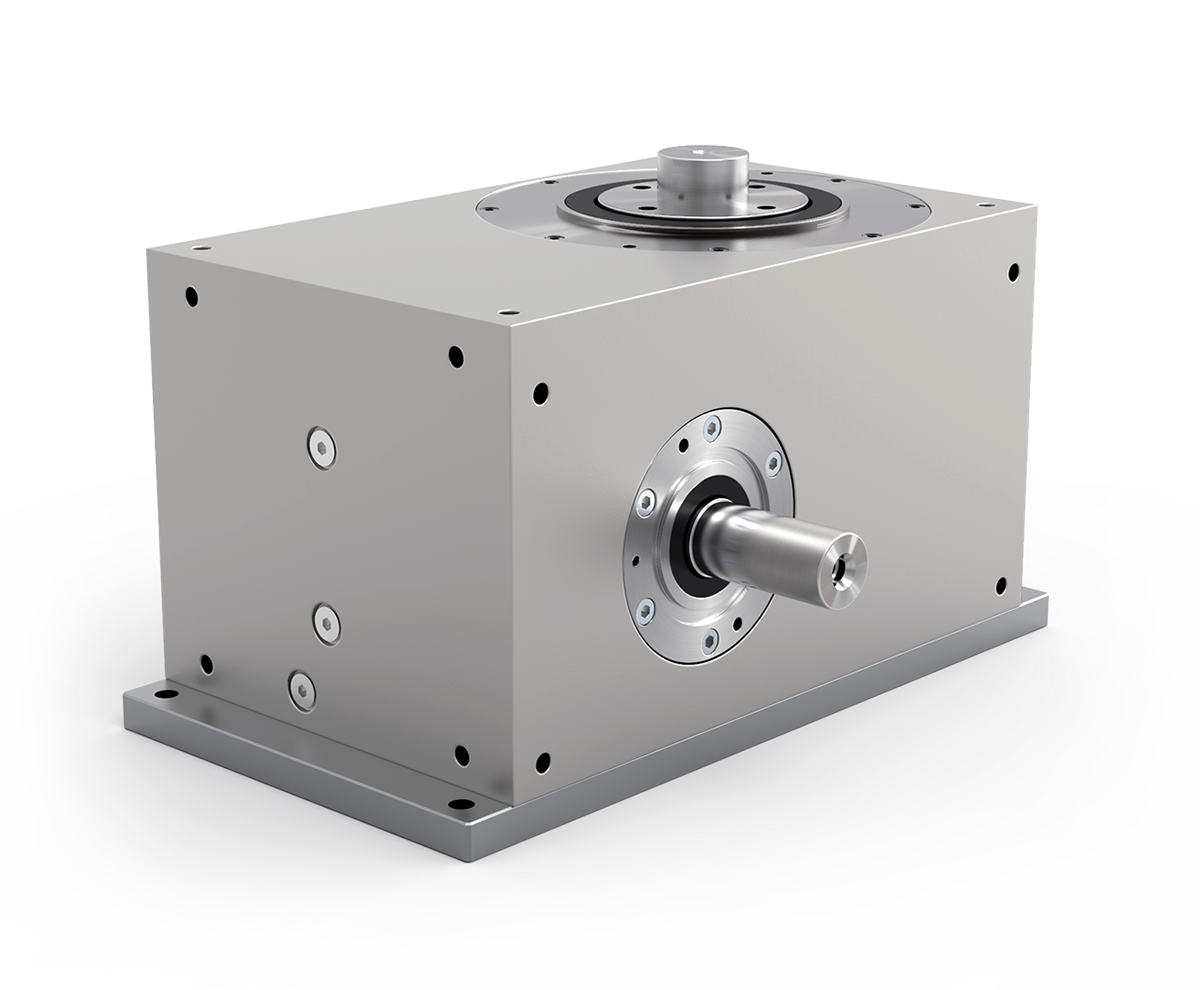
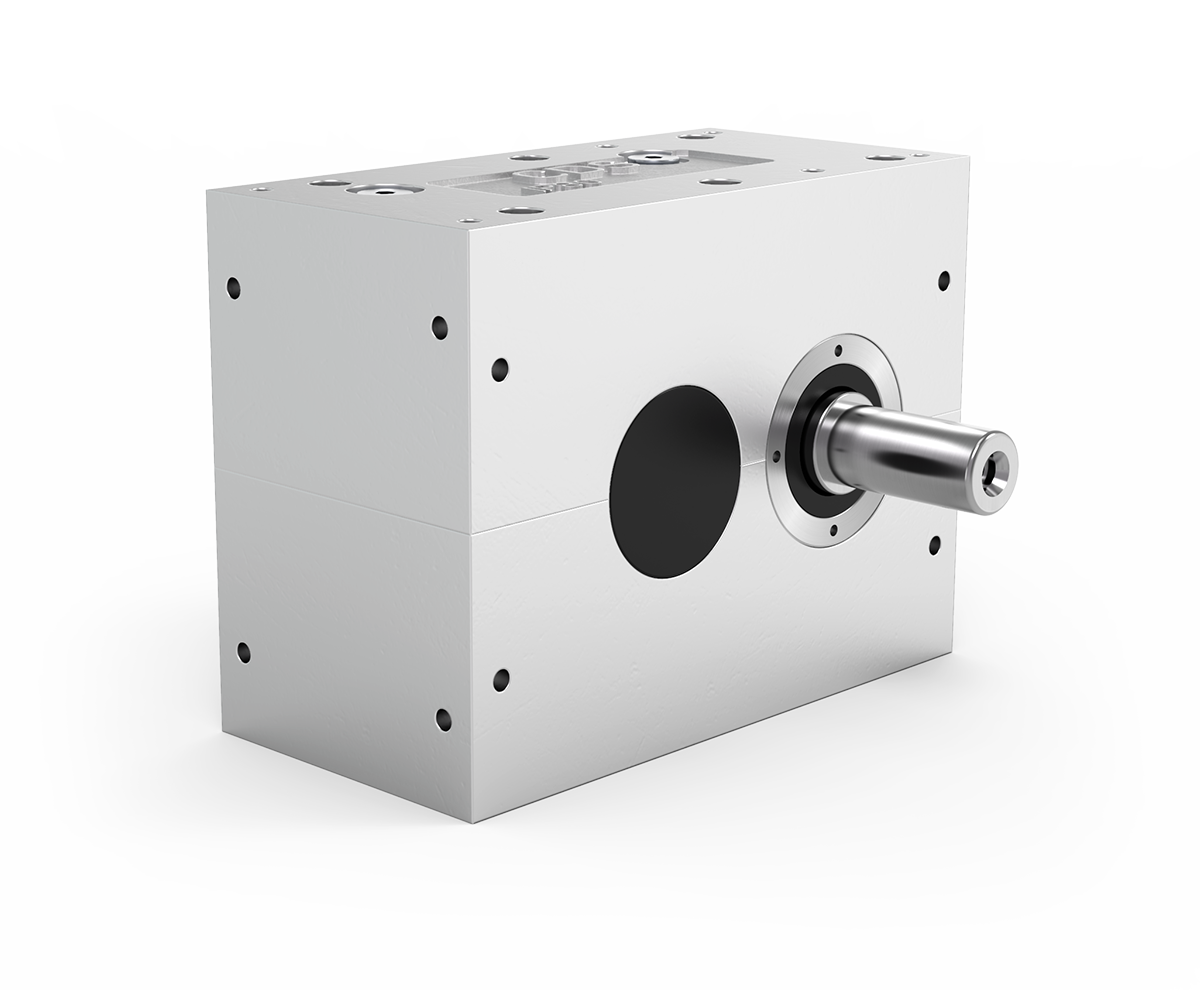
CDS offers both orthogonal-axis oscillators (HP and IG / IGA series) and parallel-axis oscillators (IP series), giving machine builders maximum freedom in layout and integration

Friction cam follower
The friction cam follower technology used in CDS oscillator indexers ensures permanent contact between cam and followers. This design delivers vibration-free motion, zero backlash and precise positioning even at high index rates, with very low noise levels and long operating life.
Cam shape and motion law
In oscillator indexers, the cam profile is defined by the chosen motion law, which controls acceleration, deceleration and dwell, affecting dynamic behaviour, vibration and wear.
By optimising the motion law, CDS engineers tune the cam profile for the required speed, smoothness, positioning accuracy and durability.
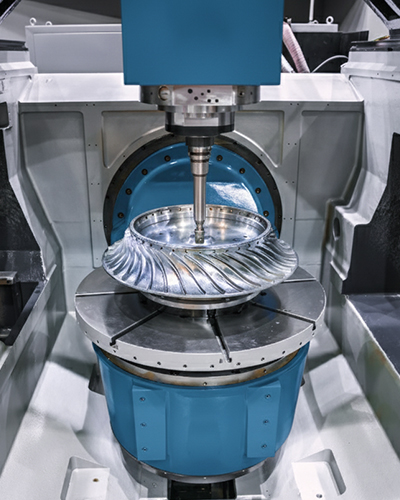
All cam profiles are CNC-machined and induction hardened to ensure long-term wear resistance and dimensional stability, even at high speeds and under high loads.
Lubed for life
All oscillator indexers are lubricated with mineral-based oil. The sealing system allows operation in any mounting position without leakage, while keeping the internal components protected from contamination.
Under normal operating conditions, the units are essentially lubed for life, which reduces routine maintenance, simplifies machine design and helps prevent unplanned downtime.
Orthogonal-axis oscillators have input and output shafts arranged at right angles. These units are ideal where a compact, right-angle arrangement and precise oscillating or intermittent motion are required.
Parallel-axis oscillators (IP series) have input and output shafts that are parallel to each other. Torque is transmitted at speed through two conjugate flat cams. This configuration is especially suitable where motion must be transmitted along a straight line of centres, while maintaining high stiffness and accuracy in high-speed oscillating applications